If you have looked at an AWS invoice since early 2024, you have seen a line called “Public IPv4 addresses” — and most teams assume it is a fixed cost of doing business in the cloud. It is not. AWS built an exemption into its own pricing, and the businesses using it are cutting that line by nearly half without changing a single thing about how their infrastructure runs.
What the “Public IPv4 Addresses” Charge Actually Is
It is not a bandwidth charge, and it is not tied to how much traffic you push. AWS bills $0.005 per public IPv4 address per hour — every hour the address is attached, whether it moves a byte or sits idle.
Think of it as rent on the address itself, separate from rent on the server. And like rent, it accrues quietly in the background whether or not anyone is paying attention to it.
1. The Charge Is Larger Than It Looks
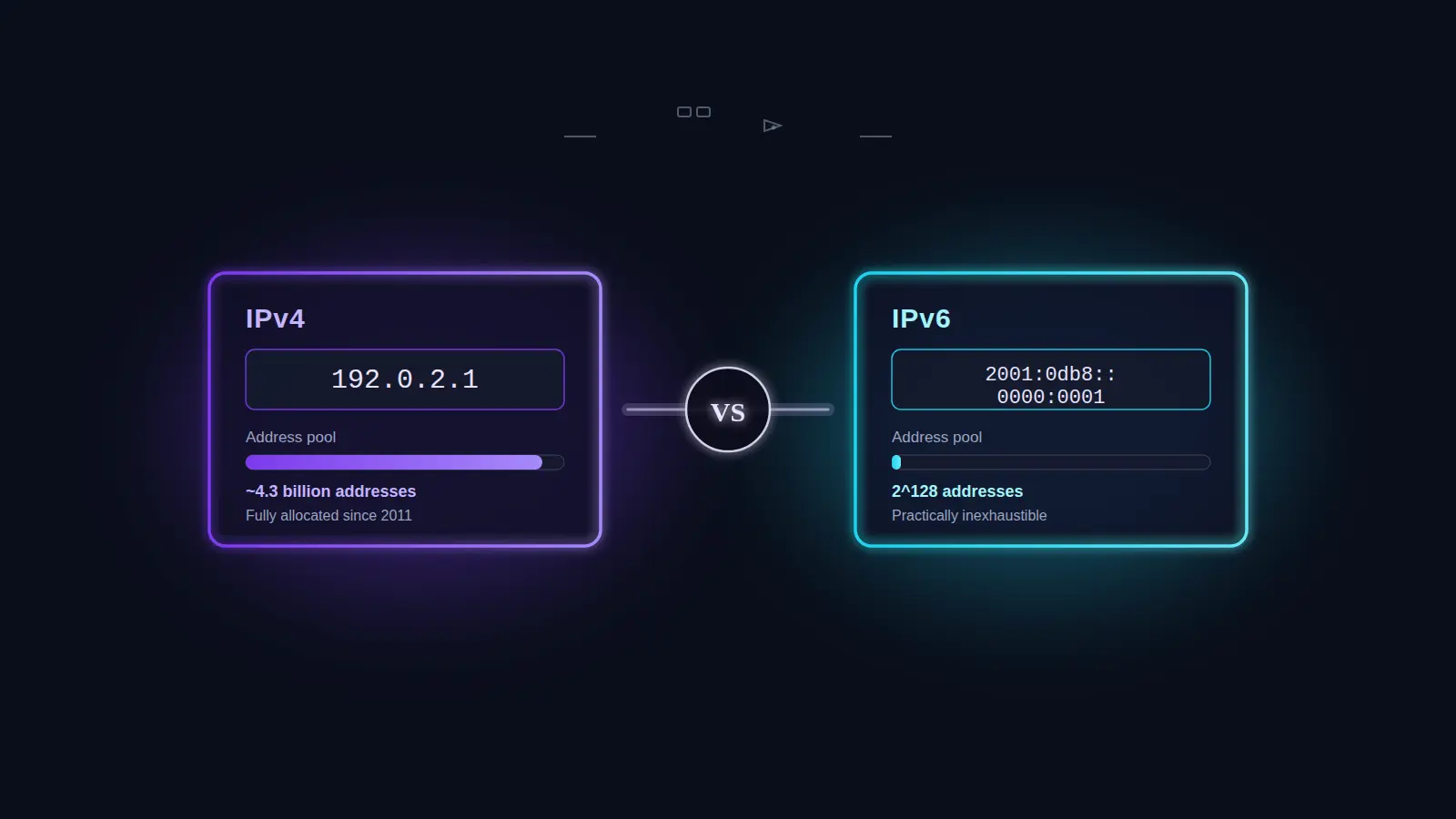
At $0.005 per hour, a single address costs $3.65 per month, or $43.80 per year. That sounds trivial until you count how many public addresses a real deployment actually holds — load balancers, NAT gateways, bastion hosts, per-region redundancy, dedicated sending IPs.
A full /24 block — 256 addresses — runs roughly $934 per month, or about $11,200 a year, for addressing alone.
For a business running a few dozen public addresses, this is a rounding error. For anyone running a hundred or more, it is a real line item that grew out of nowhere in February 2024 and has been compounding ever since.
Mobosoft insight: We see the tipping point at around 50 public addresses — below that the effort to change anything is not worth it, above that a business is typically leaving $400 or more a month on the table.
2. AWS Wrote the Exemption Itself
This is the part most teams miss. AWS’s own VPC pricing page states it plainly:
Public IPv4 addresses you own and bring to AWS via BYOIP are not subject to this charge.
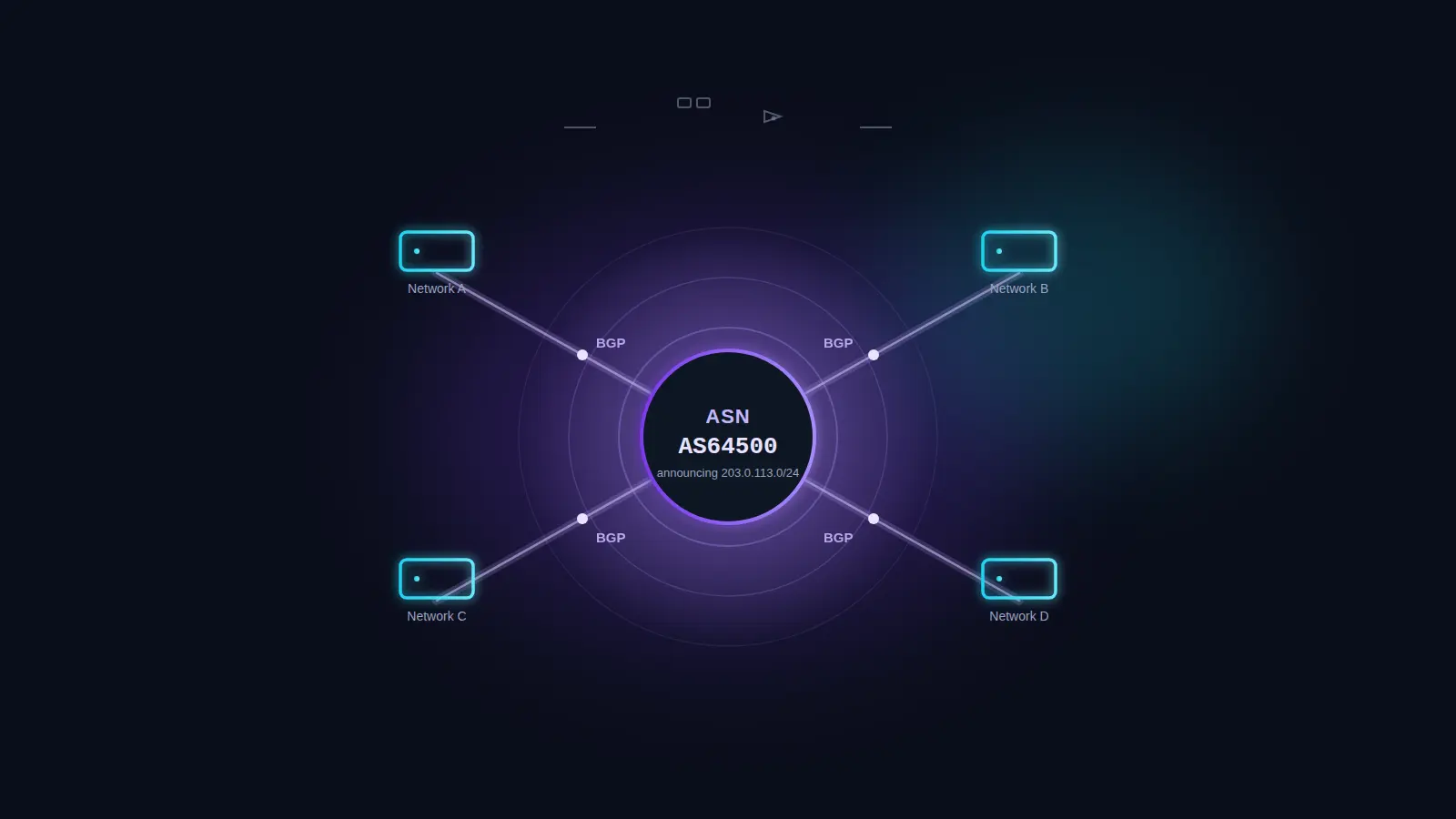
BYOIP — Bring Your Own IP — lets you import an address range into your AWS account and use it exactly like AWS-issued addresses. Same instances, same regions, same routing. The only difference is that AWS stops billing you for the addresses, because they are not AWS’s addresses.
This is not a loophole or a workaround. It is a documented AWS feature with a documented pricing consequence.
Mobosoft insight: One Mobosoft /24 has been running inside a customer’s AWS account through BYOIP for 16 months — the mechanism is stable, not experimental.
3. You Do Not Have to Own the Addresses
The common assumption is that BYOIP requires buying an address block outright, which at current market prices means a five-figure purchase for a /24.
It does not. AWS validates control of the block, not ownership. A leased range qualifies, provided the holder authorizes it properly at the registry. That turns a $10,000 capital purchase into a monthly operating cost — and it is why leasing plus BYOIP has become the standard route for businesses that need addresses without wanting to own them.
The arithmetic is straightforward. A /24 costs about $934 a month from AWS. The same /24 leased at $2.00 per address costs $512 a month. The business keeps roughly $420 a month, a 45% reduction on that line, and nothing about its architecture changes.
Mobosoft insight: Mobosoft holds more than 10,000 IPv4 addresses across ARIN and RIPE allocations, which means we lease from our own registry-held space rather than reselling somebody else’s.
4. The Bigger Reason Companies Do This Is Reputation
Cost is what gets attention, but it is rarely the whole story. Look at who already runs BYOIP address space inside AWS and a pattern appears: Salesforce Marketing Cloud, MessageLabs, Klarna, WithSecure. Email platforms, fintech, security vendors.
These businesses are not primarily saving money. They are protecting deliverability. You cannot send commercial email from a shared cloud address pool and control your own sender reputation — your inbox placement depends on the behavior of whoever else was assigned that address last month.
Owning or leasing a dedicated range means the reputation attached to those addresses is yours, and it stays yours.
Mobosoft insight: Every block we lease ships with a documented clean blocklist baseline at handover and weekly monitoring afterward, so a customer knows the reputation history of what they are getting.
5. What It Actually Takes
The process is more paperwork than engineering, and it happens once:
- A /24 minimum. AWS accepts nothing more specific than a /24, so this is not a five-address solution.
- A Route Origin Authorization (ROA) published under RPKI authorizing Amazon’s ASNs, 16509 and 14618.
- A signed authorization — a self-signed X.509 certificate and message proving control of the range.
- Accurate registry records at ARIN or RIPE for the block.
- Clean reputation. AWS validates the range before accepting it. A blocklisted block will not provision.
For a leased range, the address holder handles the registry side and the business handles the AWS side. Provisioning typically completes in a day or two once the paperwork is right.
Mobosoft insight: We issue the LOA, publish the ROA and the IRR route object before handover, so the AWS side is a short configuration rather than a project.
The Bottom Line for Growing Businesses
This is not about leaving AWS, and it is not an argument that AWS is overcharging. AWS priced IPv4 explicitly because addresses are genuinely scarce, and then gave customers a documented way to bring their own.
If you run fewer than fifty public addresses, ignore this — the effort will not repay itself. If you run a hundred or more, and especially if your business depends on sender reputation, the line item on your bill is worth twenty minutes of attention. Most of the companies quietly doing this are not enterprises with dedicated network teams. They are mid-size businesses that read their invoice carefully.
Ready to Cut Your AWS IPv4 Bill?
Mobosoft leases clean, registry-held IPv4 blocks that are ready for AWS, Azure and Google Cloud BYOIP — with the LOA, ROA and route objects issued before handover, and reputation monitored for as long as you hold them.